Hen Neck Capes for Fly Tying
( number of products: 27 )Hen neck capes are used for tying flies that require soft feathers and natural movement in the water. A well-selected cape helps achieve lifelike action and adapt materials to different fly patterns.

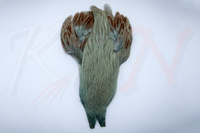
KN Fly Indian Hen Cape Brown Natural

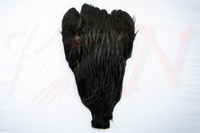
KN Fly Indian Hen Cape Black Natural

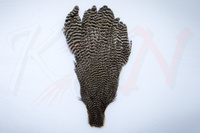
KN Fly Indian Hen Cape Grizzly Natural

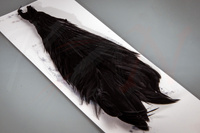
Ewing Hen Cape dyed Black

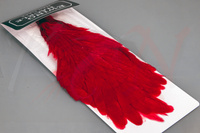
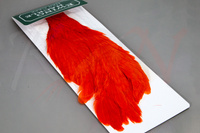
Ewing Hen Cape dyed Red

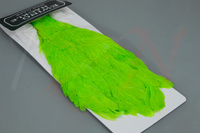
Ewing Hen Cape dyed Green Chartreuse

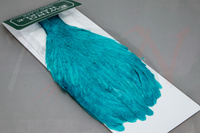
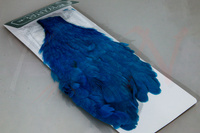
Ewing Hen Cape dyed Silver Doctor Blue

Ewing Hen Cape dyed Orange

Ewing Hen Cape dyed King Fisher Blue

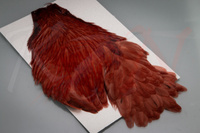
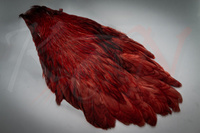
Ewing Hen Cape dyed Brown

Hareline Hen Cape Brown

Hareline Hen Cape Brown

Ewing Hen Cape dyed Olive

Ewing Hen Cape dyed Ginger

Ewing Hen Cape Dark Blue Dun

Ewing Hen Cape dyed Coachman Brown

Ewing Hen Cape Brown natural

Ewing Hen Cape Black natural

Ewing Hen Cape Grizzly

Hareline Hen Cape Medium Dun -1

Hareline Hen Cape Brown

Hareline Hen Cape Cream

Hareline Hen Cape Medium Dun

Hareline Hen Cape Grizzly Dyed Olive

Hareline Hen Cape Grizzly Dyed Brown

Hareline Hen Cape Grizzly Natural

Hareline Hen Cape Black
Hen neck capes – a core material for natural movement
Hen neck capes are a classic fly tying material used wherever natural movement in the water is important. Due to the soft and flexible structure of the feathers, including the stem and fibers, they are well suited for wet flies, nymphs and streamers, as well as modern competition-style patterns.
This results in a natural pulsing effect and lifelike movement in the current, which is why hen feathers are widely used for soft hackle patterns.
How to choose a hen neck cape
The right cape depends on the types of flies you tie most often. A single cape contains both smaller and larger feathers. Smaller feathers from the upper part of the neck are suitable for small patterns, while larger feathers from the lower part are wider and longer, making them suitable for bigger hackles or streamer wings.
Depending on the cape, feather length can vary, allowing you to use them both for front hackle and for palmered hackle along the body of the fly. This makes hen neck capes a versatile material for many different tying situations. If you want to explore more options, check also fly tying capes.
What to look for when choosing a hen neck cape
The two most important factors are feather length and color. If you need longer feathers for body hackle (palmering), it is worth choosing a cape from a genetic line.
For simple flies and general use, basic capes are often sufficient. As for colors, brown, black and grizzly are among the most versatile options, while dyed colors depend on the specific patterns you want to tie.
A well-chosen hen neck cape makes tying easier and helps achieve consistent, repeatable results with natural movement in the water.