
Brass beads for fly tying
( number of products: 13 )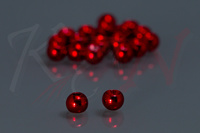
Brass Beads Metallic Red
from 2,00 €
-
to 2,50 € incl. VAT/1pack
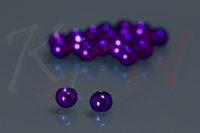
Brass Beads Metallic Blue Violet
from 2,00 €
-
to 2,50 € incl. VAT/1pack
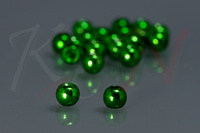
Brass Beads Metallic Green
from 2,00 €
-
to 2,50 € incl. VAT/1pack
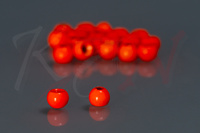
Brass Beads Fluo Orange
from 2,00 €
-
to 2,50 € incl. VAT/1pack
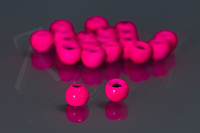
Brass Beads Fluo Pink
from 2,00 €
-
to 2,50 € incl. VAT/1pack

Brass Beads Fluo Chartreuse
from 2,00 €
-
to 2,50 € incl. VAT/1pack

Brass Beads Green
from 2,00 €
-
to 2,50 € incl. VAT/1pack
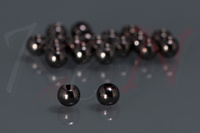
Brass Beads Black Nickel
from 0,75 €
-
to 1,00 € incl. VAT/1pack
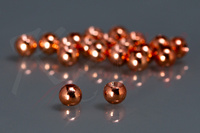
Brass Beads Copper
from 0,75 €
-
to 1,00 € incl. VAT/1pack
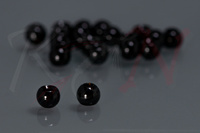
Brass Beads Black
from 2,00 €
-
to 2,50 € incl. VAT/1pack

Brass Beads Silver
from 0,75 €
-
to 1,00 € incl. VAT/1pack
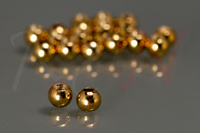
Brass Beads Gold
from 0,75 €
-
to 1,50 € incl. VAT/1pack
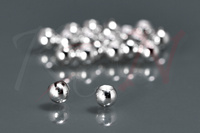
Brass Beads Pearl Silver
from 0,75 €
-
to 1,00 € incl. VAT/1pack
Fly tying Brass Beads for nymphs, lures and streamers
The brass beads available in our online shop are high quality fly tying materials. Available in many sizes and colours, from classic ones like gold to fluorescent colors. This classic fly-tying component is most commonly used by fly anglers for tying a wide variety of nymphs and pupae, as well as streamers, leech patterns, and other fishing flies.
Thanks to their smooth surface, these beads add a subtle flash and enhance the overall appeal of the finished fly, while also providing a bit of weight to help it sink.
Tungsten beads, which have the same appearance but are made from the much heavier material tungsten, are also available in our online tackle shop.