Dry fly hooks
( number of products: 12 )
KN Fly Klinkhammer Fly Hooks HF190BL

Hends BL 321 Streamer Nymph Fly Hooks

Hends BL404 25pcs Dry Fly Hooks
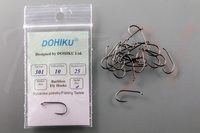
Dohiku HDD 301 Dry flies fly hooks

Hanak H 150 BL Dry & Wet

Fly Hooks Gamakatsu F11B

Hanak H 390 BL Klinkhammer
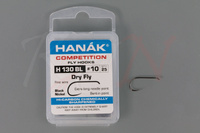
Hanak H 130 BL Dry Fly Hooks

Hanak H 100 BL Dry Fly Hooks
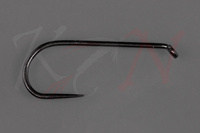
Fly Hooks KN Fly Dry Fly & Light Nymph HF119BL

KN Fly Classic Dry Fly Hooks HF109BL

KN Fly Dry Fly hooks HF129BL
Dry Fly Hooks for Precision Fly Tying
Dry Fly Hooks are an essential component of every fly tyer's kit, especially when tying patterns designed to imitate mayflies, caddisflies and midges. These hooks are specifically designed for dry fly fishing — allowing your fly to sit naturally on the surface film to tempt rising trout and grayling.
Our barbless hooks come in a range of popular sizes, typically from size 12 to 18, covering the majority of classic dry fly patterns used throughout the season. Whether you're matching the hatch on a chalk stream or targeting wary fish on a stillwater, these hooks offer excellent presentation and hook penetration.
Lightweight for Superior Floatation
Featuring a fine wire construction hooks are intentionally lightweight to ensure your fly remains buoyant. Most patterns benefit from a straight shank design, which allows for clean, proportional fly bodies. However, we also stock strong hooks with standard wire diameter for specific patterns.
The hook point varies slightly by model — some feature a straight point for efficient hooking, while others use a slight upturn to help keep fish pinned during the fight. The eye of the hook is typically downturned for easier tying.
Constructed from high-quality, corrosion-resistant steel, our dry fly hooks are built to perform without compromising finesse. While they’re designed to resist rust, we always recommend drying your fly box thoroughly after each session to maintain hook sharpness and longevity.
Premium Dry Fly Hooks for Fly Tying – Trusted by Competition Anglers
Our collection features a carefully curated range of barbless and barbed hooks designed specifically for tying dry flies – perfect for river and stillwater fishing alike.
We stock fly tying hooks from top European brands trusted by competition anglers, including Hanak, Dohiku, and Hends – known for their precise manufacturing, strength, and hook-setting performance.
For anglers after affordable products without compromising quality, KN Fly offers excellent value. For unmatched sharpness and Japanese craftsmanship, we also carry premium Gamakatsu dry fly hooks.
Whether you're tying classic dries, emergers, or delicate CDC patterns, our hooks deliver the finesse and reliability you need at the vice and on the water.
Browse our range, choose and tie your flies with confidence – the right hook makes all the difference.