Fly Pattern Kits
( number of products: 51 )Fly Pattern Kits are complete material sets designed for tying specific, proven artificial fly patterns and selected lures.
Most kits are intended for fly tying, with some patterns also suitable for ultralight (UL) spinning applications. Each kit corresponds exactly to a fly pattern presented in step-by-step video tutorials, where the entire tying process is explained in detail.
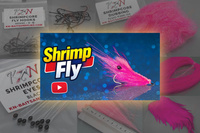
Material set for tying the Fluo Pink Shrimp fly
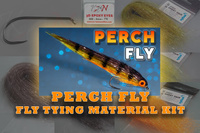
Material set for tying the Perch Fly streamer
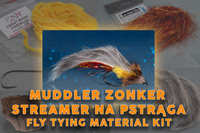
Material Kit for Tying a Muddler Zonker Trout Streamer
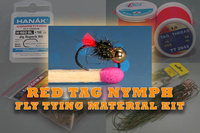
Fly tying materials kit for tying a Micro Red Tag Nymph for grayling
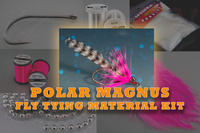
Fly tying materials kit for tying a Polar Magnus Fly
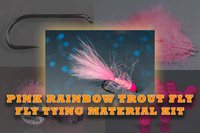
Fly tying materials kit for tying a rainbow trout fly
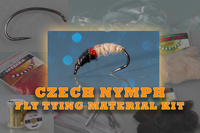
Fly tying materials kit for tying a Czech Nymph
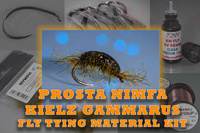
Fly tying materials kit for tying a Gammarus nymph
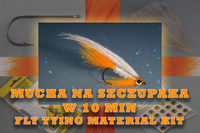
Fly tying materials kit for tying a pike fly imitating a roach
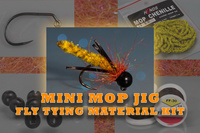
Fly tying materials kit for a mini MOP jig fly
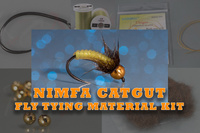
Fly tying materials kit for a Catgut nymph
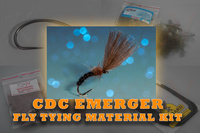
Fly tying materials kit for a CDC Emerger fly
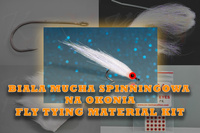
Fly tying materials kit for a spinning fly for perch
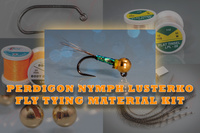
Fly tying materials kit for easiest Perdigon nymph
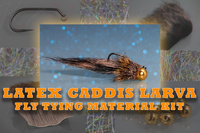
Fly tying materials kit for muddler jig streamer for brown trout
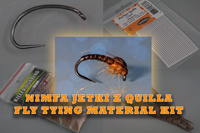
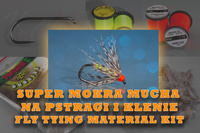
Fly tying materials kit for great wet fly for trout and chub
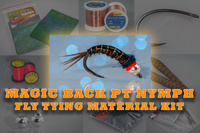
Fly tying materials kit for tying the Magic Back PT Nymph

Fly tying materials kit for tying the caddis pupa pattern

Fly tying materials kit for tying a big mayfly nymph

Fly tying materials kit for tying the caddis dry fly

Fly tying materials kit for tying the Gurgler fly for asp, zander

Fly tying materials kit for tying a foam beetle fly for chub, ide, trout

Fly tying materials for tying a garfish fly
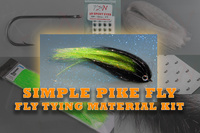
Fly Tying Kit for tying a simple pike fly

Fly Tying Kit for tying a foam body caddis dry fly

Fly Tying Kit for tying a dry brown mayfly
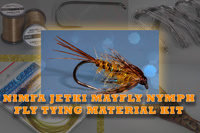
Fly Tying Kit for mayfly nymph

Fly Tying Kit for Cormorant trout fly

Fly Tying Kit for Squirmy Worm jig fly
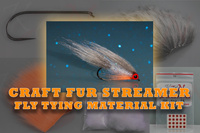
Fly Tying Kit for Craft Fur Streamer

Fly Tying Kit for Tag Jig Nymph
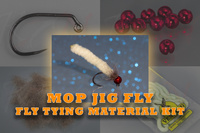
Fly Tying Kit for MOP jig fly

Fly Tying Kit for White Zonker Streamer
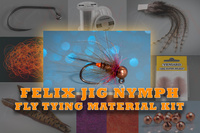
Fly Tying Kit for the super effective Felix jig nymph
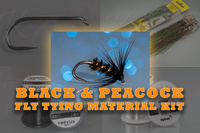
Fly Tying Kit - Black & Peacock wet fly pattern for trout, chub, grayling
- 1
- 2
What are fly pattern kits?
Fly pattern kits are complete material sets designed for tying specific, proven artificial fly patterns and selected lures. Each kit corresponds to one defined pattern that has been designed, tied, and tested in real fishing conditions.
The main purpose of this category is to make learning fly tying easier. Instead of selecting materials by trial and error, you receive a ready-made kit exactly matching the materials used in the tutorial. This allows you to focus on technique, proportions, and proper execution of the pattern.
How are the kits prepared and what do they include?
The kits are not random collections of materials. Each one is prepared for a specific pattern and contains only the elements necessary to tie it. Material selection is based on practical tying experience and real use on the water, using proven fly tying materials.
Depending on the pattern, the kits may include:
- appropriate fly hook models and sizes,
- body materials (dubbings, chenille, quills, tinsels),
- materials for wings and tails,
- weighting elements (beads, wire, dumbbell or jig heads),
- pattern-specific additional components.
The kits do not include tying tools – their purpose is to provide materials, not workstation equipment.
Step-by-step learning – connection with video tutorials
Each kit available in this category is directly linked to a video tutorial showing the complete tying process for the given pattern. In the videos, I explain the tying sequence, material usage, and the most common mistakes made during learning.
As a result, the kits function as an educational tool, not just a product. Even beginners can independently tie a technically correct fly by following the video and using the matching kit.
Applications – flies and selected lures
The vast majority of kits are intended for tying flies used in fly fishing – nymphs, dry flies, wet flies, and streamers. These are patterns designed for a wide range of conditions and fishing techniques.
Some kits also include patterns that, although tied like flies, can be effectively used as lightweight lures in ultralight (UL) spinning. This mainly applies to designs imitating small baitfish and so-called micro jigs.
This approach allows a single pattern to be used across different fishing methods without altering its construction.
Why choose fly pattern kits?
- they make learning fly tying easier from the very beginning,
- they eliminate problems caused by incorrect material selection,
- they help focus on technique and proper proportions,
- they ensure repeatable and consistent results,
- they combine education with real on-the-water effectiveness.
Each kit is based on patterns proven in practice, not on theoretical assumptions or catalogue descriptions.
FAQ – Fly Pattern Kits
Are the kits suitable for beginners?
Yes. The kits are designed for people learning fly tying, including those with no prior experience.
Are the kits linked to video tutorials?
Yes. Each kit corresponds to a specific pattern presented in a step-by-step video tutorial.
Do the kits include all materials needed to tie the pattern?
The kit contains all key materials required to tie the given fly or lure. Tying tools are not included.
Can more than one fly be tied from a single kit?
Yes. In most cases, the amount of material allows you to tie several or even a dozen flies of the same pattern.
Are the kits also suitable for UL spinning?
Some patterns available in this category can be effectively used as lightweight lures in ultralight spinning. Information about such use is provided in the description of each individual kit.