Fly tying dubbing
( number of products: 57 )
Hends Dubbing Wax DW-02 Light Brown
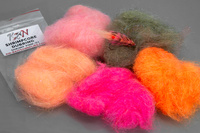
KN Fly ShrimpCore Dubbing
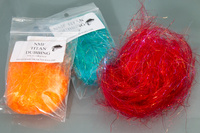
NMF Titan Dubbing
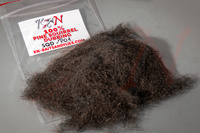
KN Fly 100% Pine Squirrel Dubbing - Limited
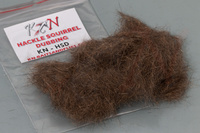
KN Fly Hackle Squirrel Dubbing
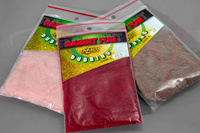
Hends Rabbit Fur Dubbing

Veniard Premium Wax
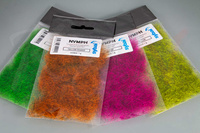
Sybai Nymph Dubbing

Top Fly Gray Pine Squirrel Dubbing

Hends Hare Dubbing
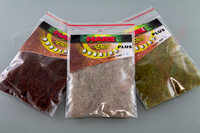
Hends Hare Dubbing Plus
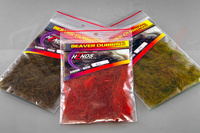
Hends Beaver Dubbing
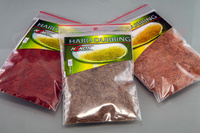
Hends Hard Dubbing
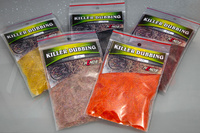
Hends Killer Dubbing
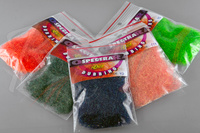
Hends Spectra Dubbing
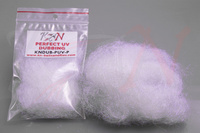
Perfect UV Dubbing - Pearl
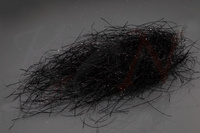
KN Fly Long Pike Dubbing Black

Cased Caddis Dubbing
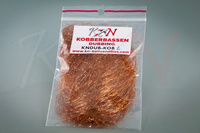
Dubbing Kobberbassen
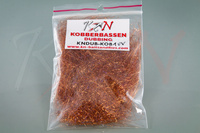
Kobberbassen UV Special Dubbing

KN Fly Squirrel Dubbing Natural 01
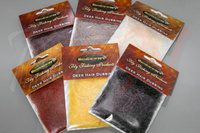
Hemingway's Deer Hair Dubbing
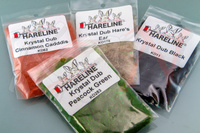
Hareline Krystal Dub
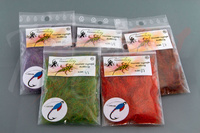
Tommi-Fly Nuclear Nymph Dubbing
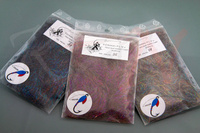
Tommi-Fly Hare and Rabbit Super Dubbing
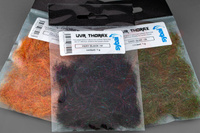
Sybai UVR Thorax Dubbing
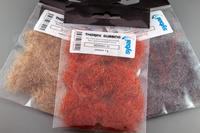
Sybai Thorax Dubbing
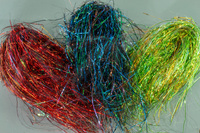
Sybai Magnum Sparkle Dubbing

Sybai Pike Supreme Dubbing
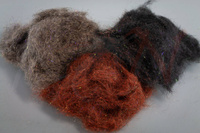
Fasna Squirrel Dubbing UV - dubbing for nymph

Fasna Squirrel Dubbing Pure - dubbing for nymphs

KN Fly Pike Dubbing
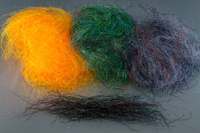
KN Fly Flash Pike Dubbing
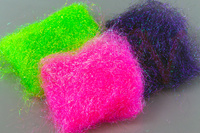
Hareline Dubbin Ice Dub
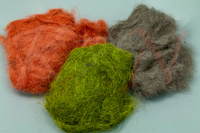
Dubbing Hareline Dubbin

Dubbing Hareline Senyo's Laser Dub
- 1
- 2
Fly Tying Dubbing – Natural and Synthetic Dubbing for Nymphs, Streamers, Wet and Dry Flies
Dubbing is one of the most essential fly tying materials used by fly tyers around the world. Whether you're tying realistic nymphs, flashy streamers, delicate dry flies or durable wet flies, choosing the right dubbing material all the difference in the performance and presentation of your fly patterns.
Dubbing is a fine material – either natural, synthetic, or a blend of both – that is applied to the tying thread to build up the body, thorax, or other parts of a fishing fly. It adds bulk, colour, and texture to a pattern, often imitating the natural movement and appearance of aquatic insects or baitfish.
Types of Fly Tying Dubbing
1. Natural Dubbing
Natural dubbings are typically made from the soft underfur and guard hairs of animals such as rabbit, hare, squirrel and other. These materials are ideal for imitating the buggy, lifelike appearance of insects and are favoured for tying traditional nymphs and wet flies. Hares ear dubbing, for instance, is a classic choice for trout flies.
2. Synthetic Dubbing
Synthetic dubbing is made from man-made fibres and is available in a wide spectrum of colours and textures. It often features UV-reflective or iridescent elements, making it perfect for adding flash to streamer patterns or attractor nymphs. Popular options include Ice Dub, Spectra Dubbing, SLF, antron and UV-enhanced dubbings.
3. Blended Dubbing (Natural + Synthetic)
Blended dubbing combines the best of both worlds – the lifelike movement of natural fur fibres with the visibility and vibrancy of synthetics. These versatile mixes are suitable for a wide range of fly patterns, from small river nymphs, larger stillwater and saltwater flies too. They are especially effective when you want to add subtle flash or increase durability without losing the natural look of your fly.
Applications of Dubbing
Fly tying dubbing can be used to tie:
Trout and grayling nymphs
Dry flies - better is synthetic version because is more hydrophobic
Streamers and lure patterns
Wet flies and soft hackles
Micro jigs and custom patterns for ultralight spinning method
Thanks to its versatility, dubbing is a must-have in every fly tyer workshop, allowing you to adjust the appearance and performance of your flies depending on fishing conditions and target species.
Shop Premium Fly Tying Dubbing Online
Our online fly tying store offers a comprehensive selection of fly tying dubbing from top-quality brands and suppliers. Whether you're looking for natural hare’s ear dubbing, flashy Ice Dub, or unique custom blends, we’ve got you covered.
Need assistance choosing the right dubbing for your flies? Get in touch with our friendly team – we’re always happy to help with product advice and fly tying tips.