
Fly tying tinsel
( number of products: 25 )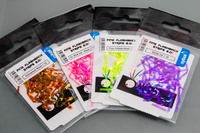
Sybai Fine FlashBack Strips 2mm
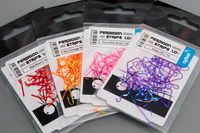
Sybai Perdigon Strips 1mm

Hends Body Quills 1/69

Hends Perdigones Body Medium 1/32 0.8mm
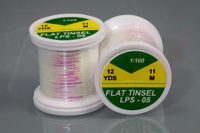
Hends Flat Tinsel 1/100 White Pearl LPS05

Hends Flat Tinsel 1/32 White Pearl LPL05
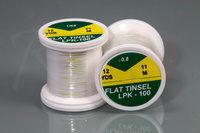
Hends Flat Tinsel 1/69 UV White - UV Effect LPK100
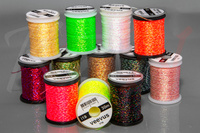
Veevus Iris Thread

Tinsel Hends Perdigones pearl body fine 1/69 0.4mm

Veevus Silver & Gold Tinsel

Tinsel Semperfli Perdigon Body 0.4mm 1/69"

Veniard Flat lead Strip Standard 2mm

Veevus Mini Flatbraid

Veevus Pearl Tinsel

Veevus French Tinsel

Veevus Body Quills

Sybai Perdigon Thread

Hareline Pearlescent Flat Tinsel

Sybai Flat Tinsel 1.0 mm

Sybai Flat Tinsel 0.8 mm

Sybai Flat Tinsel 0.4 mm
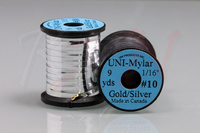
UNI Mylar Flat Gold Silver

UNI Mylar #14 1/32" - Clear

UNI Mylar #14 1/32" - Pearl
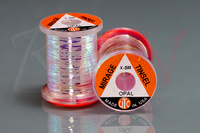
UTC Mirage Tinsel Opal - X-Small
Tinsel for fly tying
Tinsels are essential synthetic fly tying materials used to craft detailed and effective fishing flies. These come in the form of narrow strips of plastic or metallic foil and are primarily used for creating bodies, ribbing, and added flash in a variety of fly patterns. Both flat and oval tinsels are available to suit different styles and preferences.
Whether you're tying dry flies, wets, buzzers, nymphs or streamers, tinsel adds both structure and visual appeal. A prime example is the classic Mickey Finn pattern, where a wide flat tinsel is wrapped along the full length of the hook shank and ribbed with wire for reinforcement—demonstrating how essential this material is in traditional and modern fly designs.
Most tinsels, much like tying threads, are supplied on handy spools for ease of use and storage. Fly tyers especially value holographic tinsel for its vibrant shine and extra visibility underwater—perfect for attracting fish in a range of conditions.
Among the most popular types are flat pearl tinsels and classic metallics such as gold and silver. For those tying streamers, tube flies, or traditional salmon patterns, flat metal tinsels are a go-to choice. Not only do they enhance durability, but they also meet the requirements of many classic and competition-grade fly designs.
To complete your fly tying setup, it’s worth keeping a selection of quality tying wires in different colours and thicknesses—silver, gold, and copper being the most commonly used. These are ideal for ribbing and reinforcing the overall structure of your fishing flies.
At our angling shop, you'll find a wide selection of fly tying tinsels, wires, and other materials in various colours and sizes—all chosen for their quality and performance. Whether you're just starting out or refining your advanced patterns, we offer everything you need to tie effective and durable flies at competitive prices.