Fly Tying Feathers
( number of products: 180 )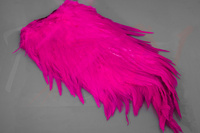
KN Fly Indian Rooster Saddle Patch Fluo Pink
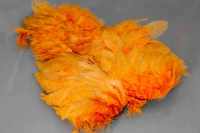
Ewing Body Marabou Soft Patch
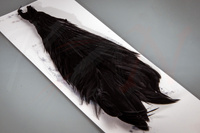
Ewing Hen Cape dyed Black
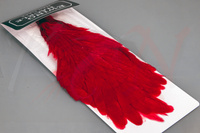
Ewing Hen Cape dyed Red
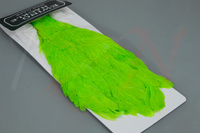
Ewing Hen Cape dyed Green Chartreuse
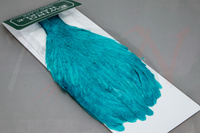
Ewing Hen Cape dyed Silver Doctor Blue
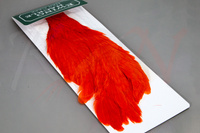
Ewing Hen Cape dyed Orange
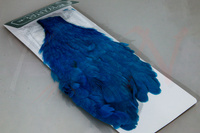
Ewing Hen Cape dyed King Fisher Blue
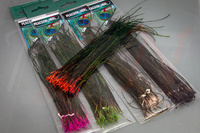
Hends Peacock Herl Promienie piór pawia
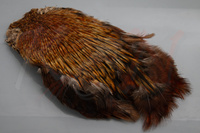
Hends Cock Capes Natural Light Brown v2
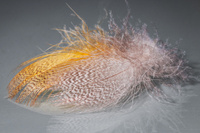
Veniard Mallard Duck drake round breast
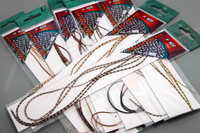
Hends Dry Fly hackle XS (18-22 hooks)
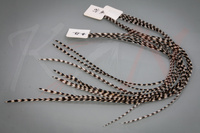
Dry Fly Hackles Grizzly

Hends CDC Oil

FutureFly Schlappen Feather

Veniard Goose Biots

Hends Pheasant Tail
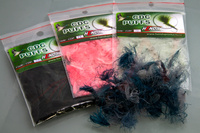
Hends CDC Puff 0.3g CDP15 Blue Dun
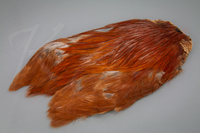
Hends Cock Capes Natural Light Brown

Hends Cock Capes Natural Brown

Feathers Hends CDC - selected 25 pieces

Feathers Hends CDC 08 Natural Brown 1G

Feathers Hends CDC 02 White 1G

Feathers Hends CDC 1G Natural Grey 01

Hends Dry Fly hackle M (12-14 hooks)

Hends Dry Fly hackle S (16-20 hooks)

Top Fly CDC feathers wild duck natural 0.5g

Ewing Hen Cape dyed Brown

CDC Super Select Premium 1G
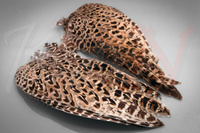
Veniard Hen Pheasant wings Natural
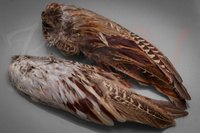
Veniard Cock Pheasant Wings Natural
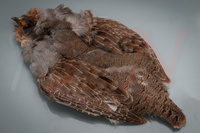
Veniard English Partridge complete skin Natural
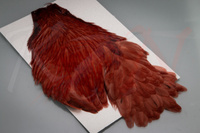
Hareline Hen Cape Brown
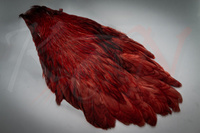
Hareline Hen Cape Brown

Metz Hen Saddle Grizzly #1
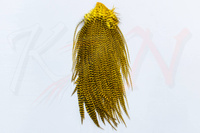
Ewing Half Saddle Grizzly Yellow
Fly Tying Feathers – Capes, saddles and other materials
Fly tying feathers are a fundamental component of both traditional and modern fly tying, allowing fly tyers to craft highly effective fishing flies and spinning lures. From the earliest days of fly fishing, natural feathers have been used to imitate the appearance and movement of aquatic insects. Their natural texture, flexibility, and visual appeal make them a go-to choice for creating realistic and high-performing flies.
Types of Fly Tying Feathers
Fly tying feathers come in a wide variety of forms, each suited for different fly patterns. The most commonly used categories include:
Capes and Saddles: These feathers, taken from roosters or hens, are ideal for tying hackles, wings, legs, and tails on both dry and wet flies.
Wing Feathers: Sourced from birds such as ducks, turkeys, and geese, they are perfect for constructing wings, tails, and bodies in classic fly patterns.
Loose Feathers: Including CDC (Cul de Canard), cock pheasant tail feathers, marabou, peacock herl, goose biots, guinea and more.
What feathers for fly patterns you need
Fly tying feathers are used in nearly every style of fly, offering versatility and lifelike presentation. Here's how they’re applied in various patterns:
Dry Flies
Bodies made from stripped quills, peacock herl,
Wings by CDC feathers or mallard wing quills or other
Hackles and tails tied with rooster saddle or neck feathers.
Wet Flies
Soft hackles, tails, and wings made with hen cape feathers or partridge feathers,
Bodies using natural barb fibers.
Nymphs
Tails, ribbing, and wing cases tied from the barb fibers.
Streamers
Long, mobile tails and wings using marabou, rooster, or hen feathers,
Natural Fly Tying Material for Dedicated Fly Tyers
For passionate fly tyers, using high-quality fly tying material is key to producing durable and convincing patterns. Natural feathers offer unmatched realism and movement in water, making them a staple in every serious fly tier’s toolkit.
Our collection includes:
Rooster, hen capes and saddles in various sizes and colours from different brands: Keough Hackle, Ewing, Hareline.
Premium CDC feathers for dry flies and emerger,
Loose feathers from pheasants, ducks, turkeys, and more.
Whether you're tying minimalistic nymphs or vibrant attractor patterns, our natural materials help elevate your tying to the next level.
Buy Fly Tying Feathers Online
In our online fly tying shop, fly tyers will find a wide range of premium fly tying feathers tailored for every tying technique and fly pattern. From traditional dry flies to large streamers, our materials support creativity and performance on the water.