
Tinsels, Wires
( number of products: 37 )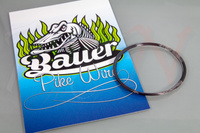
Bauer Pike Wire
18,27 € incl. VAT/1pc.
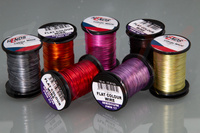
Hends Flat Color Wire Medium
3,00 € incl. VAT/1pc.
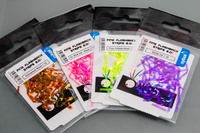
Sybai Fine FlashBack Strips 2mm
2,88 € incl. VAT/1pc.
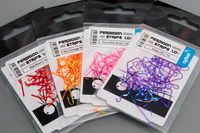
Sybai Perdigon Strips 1mm
2,88 € incl. VAT/1pc.

Hends Body Quills 1/69
1,70 € incl. VAT/1pc.
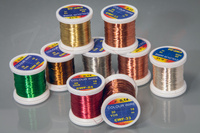
Hends Color Wire 0.14mm
1,75 € incl. VAT/1pc.

Hends Perdigones Body Medium 1/32 0.8mm
1,50 € incl. VAT/1pc.
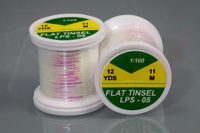
Hends Flat Tinsel 1/100 White Pearl LPS05
1,50 € incl. VAT/1pc.

Hends Flat Tinsel 1/32 White Pearl LPL05
1,50 € incl. VAT/1pc.
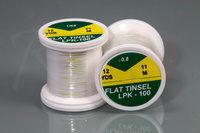
Hends Flat Tinsel 1/69 UV White - UV Effect LPK100
1,50 € incl. VAT/1pc.

Hends Lead Wire Flat 0,2 x 1mm
2,30 € incl. VAT/1pc.

Hends Lead Wire Halfround 0,6 x 0,4mm
2,25 € incl. VAT/1pc.

Hends Lead Wire 0.2 - 1.2 mm
2,30 € incl. VAT/1pack
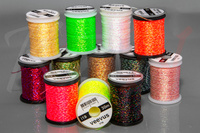
Veevus Iris Thread
3,63 € incl. VAT/1pc.

Tinsel Hends Perdigones pearl body fine 1/69 0.4mm
1,75 € incl. VAT/1pc.

Veevus Silver & Gold Tinsel
3,38 € incl. VAT/1pc.

Tinsel Semperfli Perdigon Body 0.4mm 1/69"
5,63 € incl. VAT/1pc.

Veniard Flat lead Strip Standard 2mm
3,50 € incl. VAT/1pc.

Veevus Mini Flatbraid
5,98 € incl. VAT/1pc.

Veevus Pearl Tinsel
2,75 € incl. VAT/1pc.

Veevus French Tinsel
5,76 € incl. VAT/1pc.

Veevus Body Quills
3,38 € incl. VAT/1pc.

Sybai Perdigon Thread
2,23 € incl. VAT/1pc.

Hareline Pearlescent Flat Tinsel
3,48 € incl. VAT/1pc.

Sybai Flat Tinsel 1.0 mm
1,62 € incl. VAT/1pc.

Sybai Flat Tinsel 0.8 mm
1,62 € incl. VAT/1pc.

Sybai Flat Tinsel 0.4 mm
1,62 € incl. VAT/1pc.
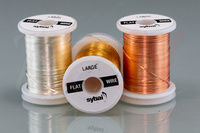
Sybai Flat Colour Wire Large
2,38 € incl. VAT/1pc.
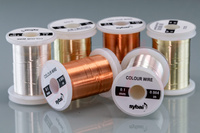
Sybai Colour Wire 0.1mm
2,00 € incl. VAT/1pc.
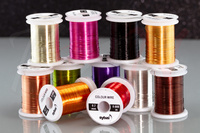
Sybai Colour Wire 0.2mm
2,00 € incl. VAT/1pc.
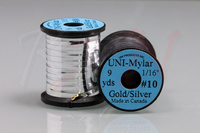
UNI Mylar Flat Gold Silver
1,75 € incl. VAT/1pc.

UNI Mylar #14 1/32" - Clear
1,75 € incl. VAT/1pc.

UNI Mylar #14 1/32" - Pearl
1,75 € incl. VAT/1pc.
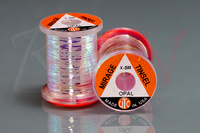
UTC Mirage Tinsel Opal - X-Small
2,50 € incl. VAT/1pc.

Sybai Flat Colour Wire Medium
2,38 € incl. VAT/1pc.
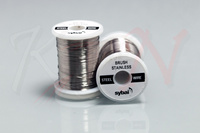
Sybai Brush Stainless Steel Wire 0.14mm 70m
3,75 € incl. VAT/1pc.
- 1
- 2