Zonker Strips for Streamers
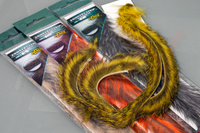
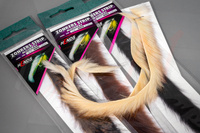
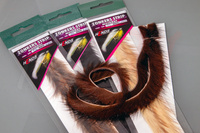
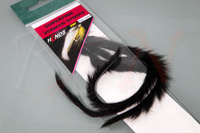
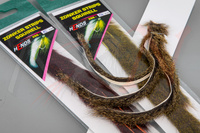
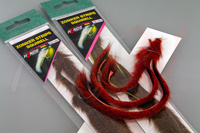
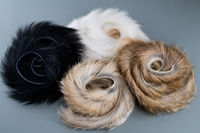
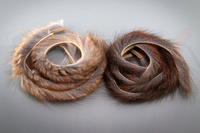
( number of products: 36 )Zonker strips are narrow strips of skin with the fur left on, used for tying streamers and other fly patterns. Available in rabbit, muskrat, squirrel and mink fur, in a range of widths and colours.

Rabbit Zonker strips 3 mm - Beige Black

Rabbit Zonker strips 3 mm - Light Yellow

Troutline Pine Squirrel Zonker Strips

Troutline Grey Squirrel Zonker Strips

Rabbit Zonker strips 3 mm - Orange

Hends Zonkers Strip Rabbit Fur 4mm

Hends Zonkers Strip Muskrat 1.5mm

Hends Zonkers Strip Muskrat 2.5mm

Hends Superfine Zonker Strips 2.5mm ZSF-30 Black

Rabbit Zonker strips - Dark Chocolate

Hends Zonker Strip Squirell 4mm

Hends Zonker Strip Squirell 2.5mm

Synthetic Zonker Strips

Squirrel Zonker strips - Natural Pine

Rabbit Zonker strips - Natural Silver

Rabbit Zonker strips - Light Pink

Rabbit Zonker strips - Olive

Dyed Muskrat Zonker strips - Chartreuse

Dyed Muskrat Zonker strips - Black

Muskrat Zonker strips - Natural Light

Mink Zonker strips - Natural

Squirrel Zonker strips - Natural Brown

Hareline Magnum Tiger Barred Strips

Hareline Frostip Rabbit Strips

Rabbit Zonker strips 3 mm - Natural

Rabbit Zonker strips - Ginger

Rabbit Zonker strips - mustard

Rabbit Zonker strips - Brown

Rabbit Zonker strips - Natural Light

Rabbit Zonker strips - Natural Brown

Rabbit Zonker strips - Purple

Rabbit Zonker strips - Dark Grey

Rabbit Zonker strips - Black

Rabbit Zonker strips 3mm

Squirrel Zonker strips - Natural

Muskrat Zonker strips - Natural Dark
Why use zonker strips in streamer patterns?
Zonker strips are usually tied along the top of a streamer, often forming both the wing and the tail from one piece of material. They are the main material used in classic Zonker streamers and many other baitfish patterns.
The soft hair continues to move during the retrieve, while the fly is sinking and during pauses. This gives the streamer natural movement without the need for many additional materials.
Rabbit, muskrat, squirrel or mink – which fur should you choose?
Different types of fur vary in hair length and stiffness. These properties affect how the finished fly moves and the size of streamer each material is best suited to. Fur type and strip width should therefore be considered together.
- Rabbit zonker strips usually have soft and relatively long hair. They create a natural, pulsing movement in the water and work well in medium-sized and large streamers.
- Muskrat zonker strips have shorter hair and are also available in very narrow widths. They suit small streamers tied on smaller hooks. The fur from the back is darker and longer, while the belly fur is lighter and shorter, making it suitable for the smallest streamers.
- Squirrel zonker strips have shorter, more compact hair than most rabbit strips. They are a good choice for small streamer patterns.
- Mink zonker strips have short, dense hair and are suitable for small, compact streamers.
How to match zonker strip width to streamer size
The strip width should match the overall size of the streamer and the thickness of the body where the strip will be tied in.
- 1.5–2.5 mm – for small streamers and slim patterns,
- 3–4 mm – a versatile range for many medium-sized streamers,
- 5–6 mm – for larger patterns that require a wider back and more volume.
Larger fur pieces, hare masks and other natural materials are available in our furs and hairs for fly tying category.
How to tie in a zonker strip
There are two common ways to secure a zonker strip:
- Lay the strip on top of the hook with the hair pointing towards the tail. Separate the hair near the hook bend and secure the skin with several turns of tying thread. Tie in the front end in the same way near the hook eye, or directly behind the bead or head if the pattern includes one.
- Alternatively, secure the strip along its full length with evenly spaced turns of 0.2 mm wire or monofilament of a similar diameter. Before each turn, separate the hair with a needle so that the ribbing sits against the skin without trapping the hair.
Zonker strips can also be wrapped around the hook shank to form a fur body or fur hackle, for example in some shrimp patterns.