Nymph fly hooks
( number of products: 30 )
Hanak H 500 BL Allround

Hends BL 321 Streamer Nymph Fly Hooks

Fly Hooks Hends BL120 25pcs
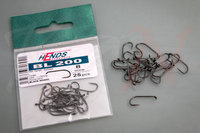
Fly Hooks Hends BL200 25pcs

Fly Hooks Hends BL144 20pcs

Fly Hooks Hends BL164 25pcs

Dohiku Dohiku HDA 254 Pupa

Dohiku HDC 303 Versatile Flies fly hooks
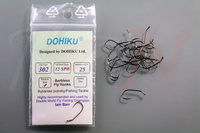
Dohiku HDN 302 SPR Racing fly hooks

Dohiku HDG 644 Gammarus, Pupa fly hooks
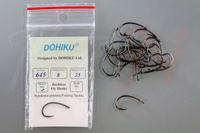
Dohiku HDG 645 Larva, pupa, shrimp fly hooks

Dohiku HDP Pupa Klinkhammer fly hooks
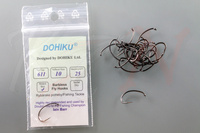
Dohiku HDG 611 Gammarus, Pupa fly hooks

Dohiku HDO Blood Worm fly hooks

Dohiku HDR Terrestrial fly hooks
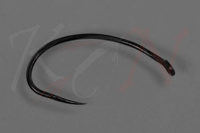
Knapek G Gammarus Scuds Style Czech Nymph Fly Hooks
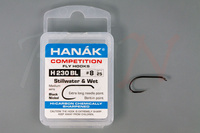
Hanak H 230 BL Stillwater & Wet
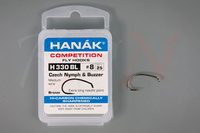
Hanak H 330 BL Czech Nymph & Buzzer
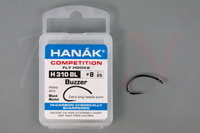
Hanak H 310 BL Buzzer Hooks

Hanak H 333 BL Czech Nymph Hooks
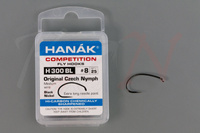
Hanak H 300 BL Original Czech Nymph Hooks
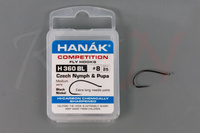
Hanak H 360 BL Czech Nymph & Pupa Hooks
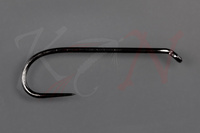
Fly Hooks KN Fly Nymph & Wet Fly HF319BL
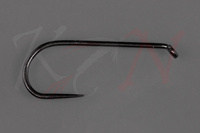
Fly Hooks KN Fly Dry Fly & Light Nymph HF119BL
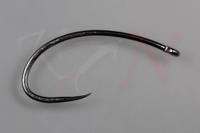
Fly Hooks KN Fly Nymph & Caddis Pupa HF309BL
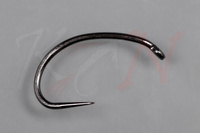
Fly Hooks KN Fly Shrimp & Caddis Pupa HF370BL

Fly Hooks KN Fly Shrimp & Caddis Pupa Fine HF371BL
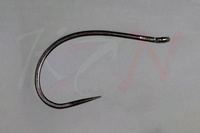
Fly Hooks KN Fly Caddis Pupa & Larva HF379BL
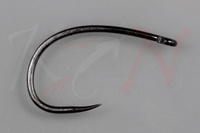
Fly Hooks KN Fly Caddis Larva HF399BL

Fly Hooks KN Fly Caddis Pupa HF389BL
Nymph Fly Hooks – Strong, Reliable Patterns for Tying Nymphs and More
In this category of our fly fishing shop, you'll find a range of nymph fly hooks designed specifically for tying nymphs, scuds, and other subsurface fly patterns.
These fly tying hooks typically feature a heavier wire gauge compared to those used for dry flies, providing the extra strength needed to target fish holding deeper in the water column.
Shank shape can also vary depending on the pattern you want to tie. You'll find standard straight shank hooks, perfect for a wide range of traditional and modern nymphs, as well as curved scud-style hooks that have become increasingly popular among fly tiers. These are ideal for tying realistic imitations of gammarus, caddis larvae (like hydropsyche), and countless other proven fly patterns.
For anglers looking to target a variety of species with specific patterns, our online tackle fly shop offers a selection of high-quality, tried-and-tested hooks from trusted brands – ensuring you’re properly equipped at the tying bench and on the water.