Fly tying wire
( number of products: 12 )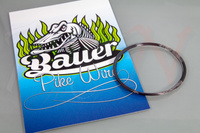
Bauer Pike Wire
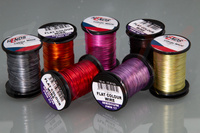
Hends Flat Color Wire Medium
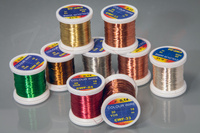
Hends Color Wire 0.14mm

Hends Lead Wire Flat 0,2 x 1mm

Hends Lead Wire Halfround 0,6 x 0,4mm

Hends Lead Wire 0.2 - 1.2 mm
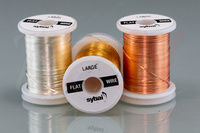
Sybai Flat Colour Wire Large
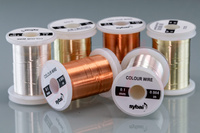
Sybai Colour Wire 0.1mm
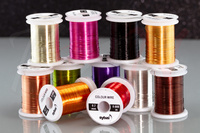
Sybai Colour Wire 0.2mm

Sybai Flat Colour Wire Medium
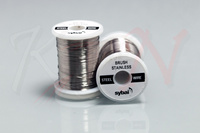
Sybai Brush Stainless Steel Wire 0.14mm 70m

Sybai Stainless Steel Wire 0.14mm 24m
Fly Tying Wire Material for Streamers, Nymphs & Other Patterns
Fly tying wire is a must-have material for any serious fly tyer. Whether you're dressing nymphs, streamers or wet flies, wire adds both durability to your patterns.
Used primarily to rib bodies, wire strengthens the fly and helps it withstand takes from hard-fighting fish like trout and grayling. It also adds a segmented effect to the body, giving a natural, lifelike appearance that can make all the difference on the water.
We stock a wide selection of fly tying wire, available on a spool in various sizes and colours – from classic copper wire to gold, silver, and dyed finishes. Whether you prefer a fine wire for delicate ribbing or a heavier gauge for weight and presence, we've got the right option for your fly box.
Some wires come in a soft finish, making them easy to work with and perfect for wrapping bodies or adding subtle flash to your patterns. A popular example is the Copper John nymph, which uses copper wire to form its distinctive, weighted body.
While traditional lead wire was once the go-to for adding weight to nymphs, many modern fly tyers now opt for tungsten beads – an eco-friendlier alternative, also available in our fly tying range.
Browse our online tackle shop for fly tying wire in a range of sizes and colours, as well as hooks, threads, dubbing and everything else you need to tie high-quality, fish-catching flies.