
Metal tubes for tube flies
( number of products: 32 )Metal fly tying tubes add weight when tube flies have to fish deeper: in high water, fast current and cold water. Choose US, Bottle, Bullet, Skittle and Snaelda / Francis tubes from 6 to 15 mm, or tungsten for the most weight in a short length.
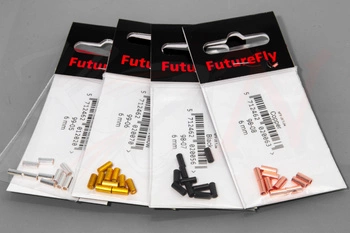
FutureFly MTF US Tube

Predator Cone Heads 10/4.6mm

Sveppur Tubes

Slug Tubes

DOT Low Water 6,5 Tubes

Snaelda / Francis Tubes 14x4mm bott
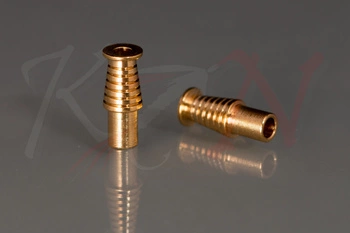
Snaelda / Francis Tubes 10x4mm bott
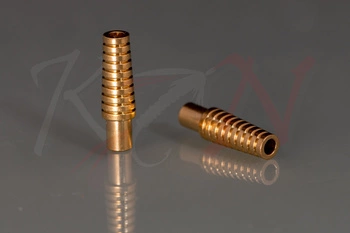
Snaelda / Francis Sean Stanton Tubes 14x4mm
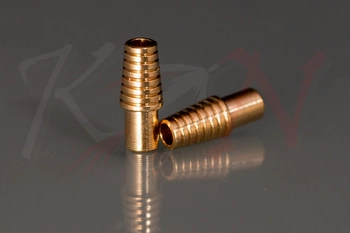
Snaelda / Francis Sean Stanton Tubes 10x4mm
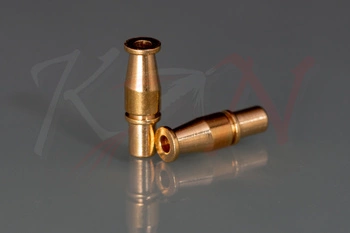
Bottle Tubes 13mm conected

Bottle Tubes 13mm
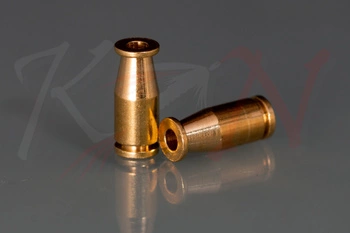
Bottle Tubes 10mm

Bottle Tubes 10mm conected
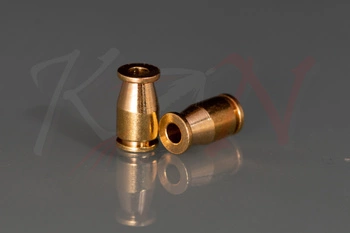
Bottle Tubes 7mm
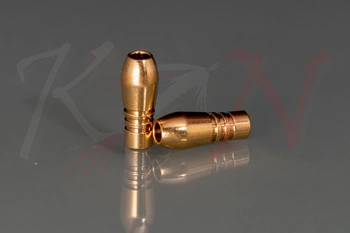
Skittle Tubes 10mm
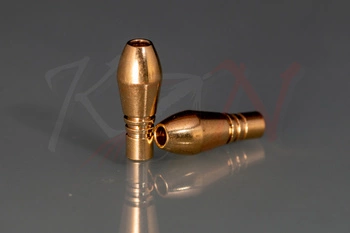
Skittle Tubes 13mm
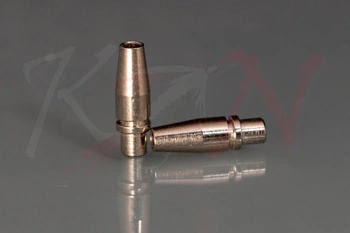
Bullet Tubes 13mm conected

Bullet Tubes 13mm
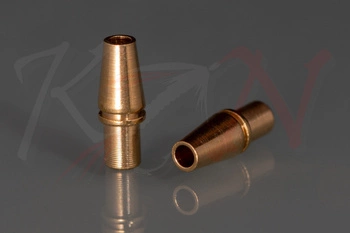
Bullet Tubes 10mm conected
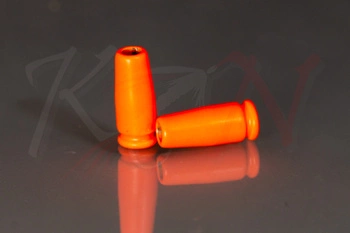
Bullet Tubes 10mm tungsten
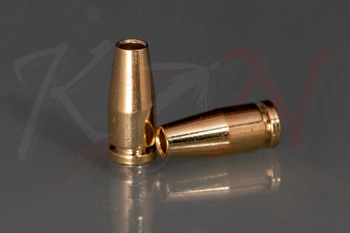
Bullet Tubes 10mm
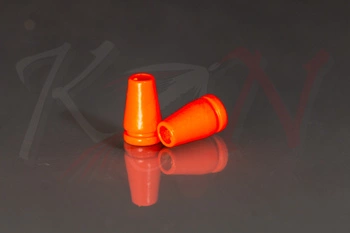
Bullet Tubes 7mm painted Orange

Bullet Tubes 10mm painted Orange

Bullet Tubes 7mm tungsten

Bullet Tubes 7mm

T tubes 15mm

iUS Tubes 15mm

iUS Tubes 10mm

iUS Tubes 6mm

US Tubes 15mm

US Tubes 10mm

US Tubes 6mm
When do salmon and sea trout tube flies need a metal tube?
Use a metal tube when the fly has to fish deep. Tube flies can be tied on a plastic tube alone, and the metal tube is the extra that adds weight. The fly sinks faster. This helps in high water, in fast and deep currents, and in cold water when salmon and sea trout hold near the bottom. The length and material of the tube decide the profile and weight of the fly.
Tube types and lengths: Bottle, Bullet, Skittle and US tubes
Choosing the right tube starts with shape and length. These are the tube types in the range:
- US Tubes and iUS Tubes – 6, 10 and 15 mm
- Bottle Tubes – 7, 10 and 13 mm
- Bullet Tubes – 7, 10 and 13 mm, also in tungsten in 7 and 10 mm for the most weight in a short length
- Skittle Tubes – 10 and 13 mm
- Snaelda / Francis Tubes – 10x4 and 14x4 mm
- T tubes 15 mm, DOT Low Water 6.5 mm, Sveppur and Slug
For very small tube flies there are FutureFly MTF US Tube micro tubes.
Tying tube flies on a metal tube: liner and hook
The tubes are sold unlined, so fly tyers line them with the 1.8 mm inner tube, sold separately. The liner protects the leader from chafing on the metal. Cut the liner at an angle and push it into the tube. Then cut the rear end square and burr it lightly near a lighter flame. The burr forms a small collar that the tube rests against. A little glue on the liner where the tube sits also helps. The fly is then tied on the tube instead of on a hook shank.
The hook or treble is joined to the tube with a short piece of silicone junction tubing. Bottle and Bullet tubes marked “conected” (connected) have a rear end made to take a short piece of soft, flexible tubing. It holds the hook or treble at the back of the fly. Discs, silicone tubing and fly tying needles are in tube fly tying materials.