Fly tying materials
( number of products: 884 )Fly tying materials are a complete range of products used for tying fishing flies – from hooks, threads and dubbings, through feathers and furs, to modern synthetics and UV resins. They allow fly tiers to create effective nymphs, dry flies, wet flies and streamers for different fish species and water conditions. The wide selection makes it easy to choose materials both for beginners and advanced fly tying techniques.
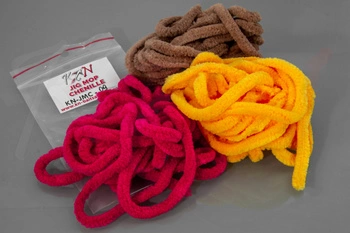
KN Jig Mop Chenille 6mm
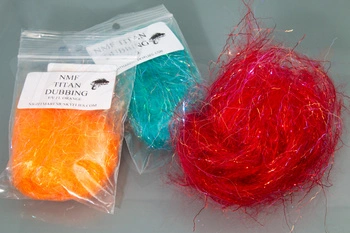
NMF Titan Dubbing
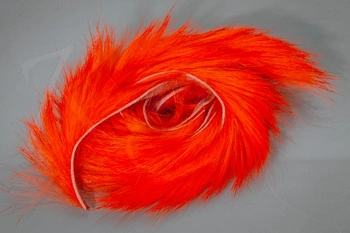
Rabbit Zonker strips 3 mm - Orange
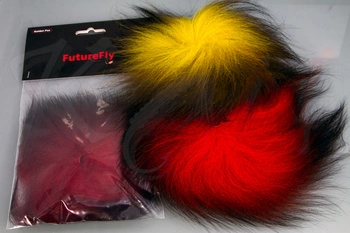
FF Golden Silver Fox
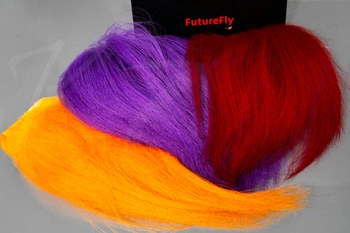
FF Snowrunner Nayat
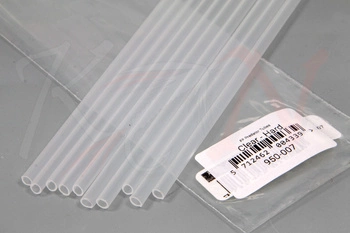
FF Predator Tubes Clear Hard 4.6mm
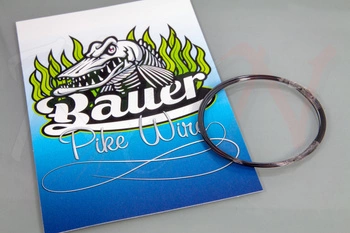
Bauer Pike Wire
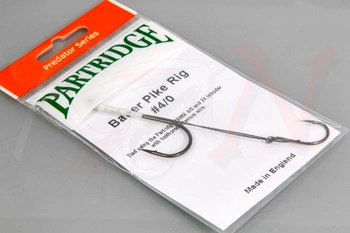
Bauer Pike Rig #4/0
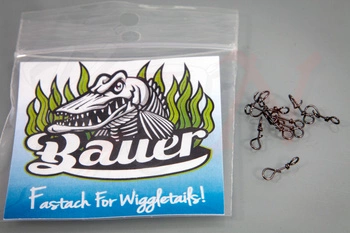
Bauer Pike Fastach For Wiggletails
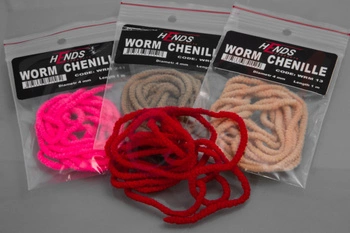
Hends Worm Chenille 4mm 1m
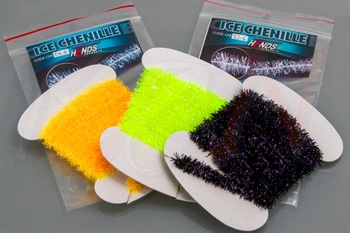
Hends Ice Chenille 6mm
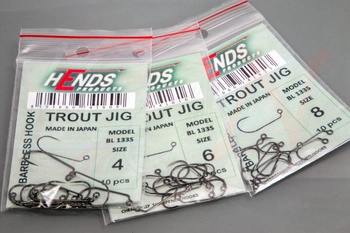
Hends Trout Area Barbless Jig Hooks
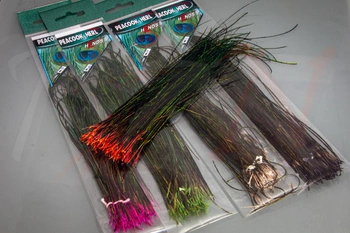
Hends Peacock Herl Promienie piór pawia
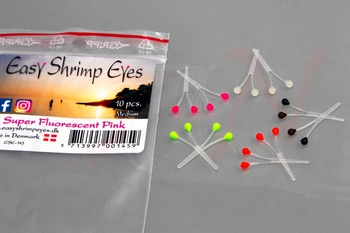
Easy Shrimp Eyes
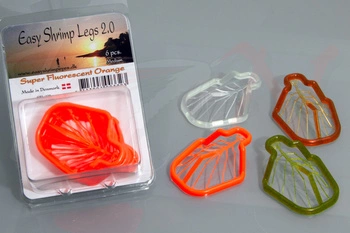
Easy Shrimp Legs 2.0
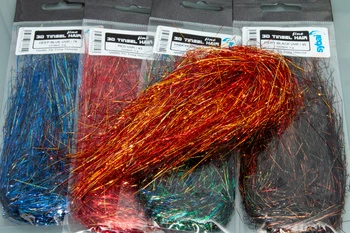
Sybai Fine 3D Tinsel Hair
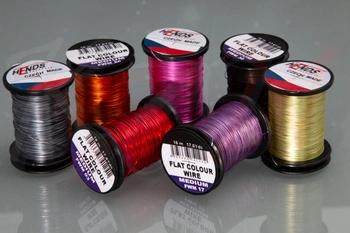
Hends Flat Color Wire Medium

Hends Cock Capes Natural Light Brown v2
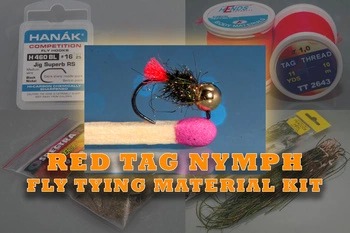
Fly tying materials kit for tying a Micro Red Tag Nymph for grayling
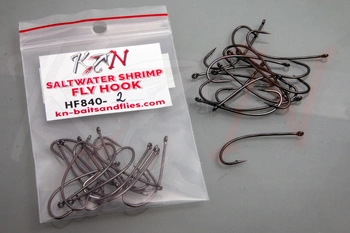
KN Fly Saltwater Shrimp Fly Hooks HF840
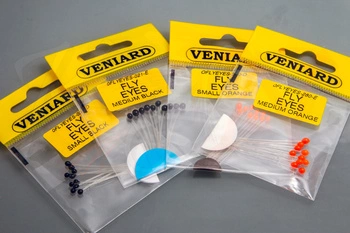
Veniard Fly eyes
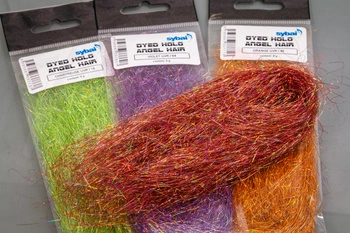
Sybai Dyed Holo Angel Hair
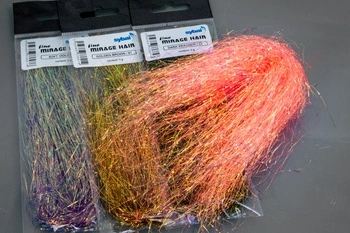
Sybai Fine Mirage Hair
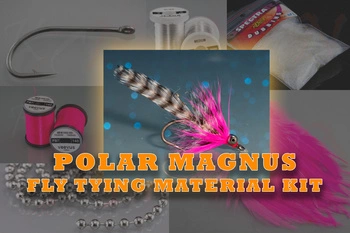
Fly tying materials kit for tying a Polar Magnus Fly
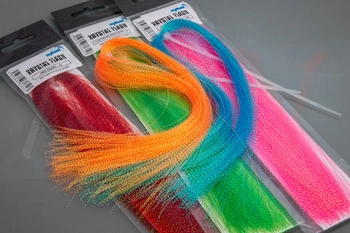
Sybai Krystal Flash Hair
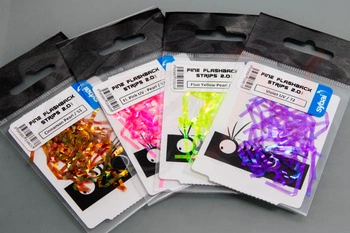
Sybai Fine FlashBack Strips 2mm
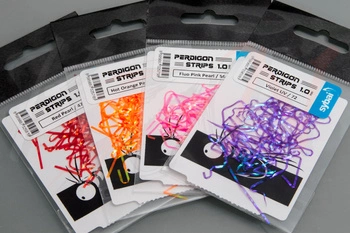
Sybai Perdigon Strips 1mm
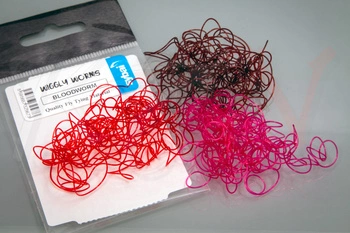
Sybai Wiggly Worms
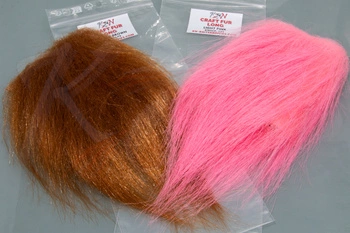
KN Fly Craft Fur Long up to 12cm
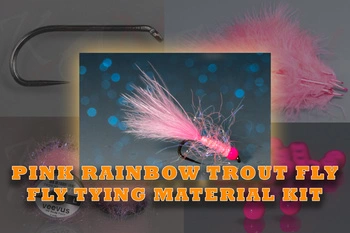
Fly tying materials kit for tying a rainbow trout fly
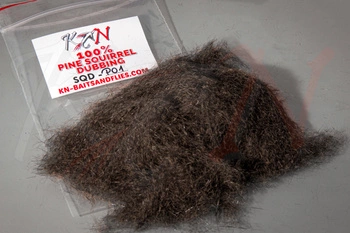
KN Fly 100% Pine Squirrel Dubbing - Limited
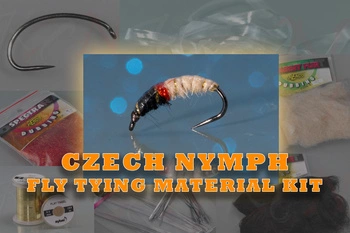
Fly tying materials kit for tying a Czech Nymph
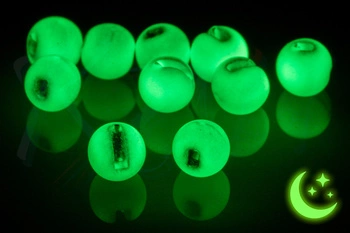
Tungsten Slotted Beads White Glow in dark
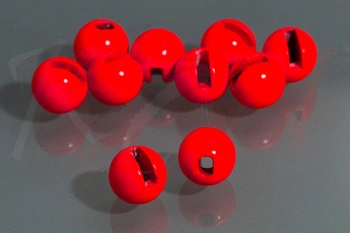
Tungsten Slotted Beads Fluo Red

Tungsten Slotted Beads Matt brown
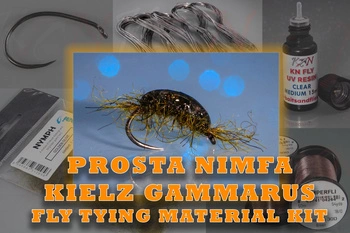
Fly tying materials kit for tying a Gammarus nymph
What are fly tying materials?
Fly tying materials include all components used to create fishing flies for fly fishing and related techniques. They allow anglers to imitate aquatic insects, larvae, baitfish and other natural food sources in a wide variety of shapes, sizes and colours. Properly selected materials influence not only the appearance of the fly, but also its movement, buoyancy and durability in the water.
Main types of fly tying materials
The category of fly tying materials includes a wide range of products designed for different fly patterns and fishing techniques. Hooks, tying threads, dubbings, feathers, furs and synthetic fibres form the base of most patterns. Additional elements such as beads, cones, wires, tinsels, eyes and finishing materials allow fly tiers to adjust weight, profile and visibility of the fly.
Functional properties of fly tying materials
When selecting fly tying materials, it is important to consider not only colour and type, but also how they behave in the water. Natural feathers and furs offer very realistic movement, while synthetic materials provide higher durability, consistency and new design possibilities. Combining different properties allows fly tiers to create flies adapted to specific fish species, water types and fishing techniques.
- Durability – synthetic fibres and UV resins significantly increase fly longevity, especially during aggressive takes.
- Movement in water – marabou, CDC, long saddle hackles and zonker strips pulsate naturally in the current.
- Buoyancy – foams, light synthetic wings and selected furs help keep dry flies floating high.
- Weight – tungsten and brass beads, as well as lead and lead-free wires, control sink rate.
- Flash and visibility – tinsels, wires and flash materials improve fly visibility in deep or coloured water.
Applications of fly tying materials – quick guide
- Nymphs: jig and standard hooks, tungsten or brass beads, natural and synthetic dubbings, reinforcing wires, tail fibres, legs and shell-back foils.
- Dry flies: fine-wire hooks, CDC feathers, neck and saddle hackles, thin tying threads, natural or synthetic wings and floating foams.
- Wet flies: soft hen hackles, dubbings for bodies, tinsels and wires for subtle weight and reinforcement, traditional wing materials.
- Streamers: natural furs (bucktail, zonker strips), synthetic fibres such as craft fur, flash materials, 3D eyes, synthetic dubbings and cone heads or metal beads.
- Specialised techniques: tube fly materials, realistic components (wings, rubber legs and bodies), UV resins and heavy synthetics for large predator patterns.
Using fly tying materials and choosing the right ones to start
Choosing the right fly tying materials depends on the type of fishing flies you want to tie, the fish species you target and the waters you fish. Beginners usually start with a small selection of versatile materials, while experienced fly tiers gradually expand their collection with specialised components for specific patterns and techniques.
I have been tying fishing flies for nearly 30 years and actively fish with them on mountain rivers, lowland rivers and still waters. I also have over 20 years of experience working in an online fly fishing store. For more than 16 years I have been running a fly tying blog and, more recently, a YouTube channel with fly tying tutorials. All advice on material selection is based on practical experience and hundreds of patterns tied and sold to customers across many countries in Europe and worldwide. This allows me to precisely recommend materials that perform best in specific techniques and conditions.
FAQ – fly tying materials
What fly tying materials should beginners start with?
Beginners should start with basic materials such as nymph, dry fly and streamer hooks in common sizes, 8/0 tying thread or GSP 50 denier, black marabou feathers, grey rabbit or muskrat zonker strips, a few universal dubbing colours, grey CDC feathers, brown rooster hackle and tungsten or brass beads matched to the hooks.
Should I use natural or synthetic fly tying materials?
Both types are commonly combined in modern fly patterns. Natural feathers and furs form the base of many classic flies, while synthetic materials offer higher durability, consistency and the ability to create large, light or highly visible patterns.
How do I choose the right hook size and tungsten bead weight?
The choice depends on the fly pattern and water depth. Lighter beads are used in shallow or slow water, while heavier beads are preferred in deep or fast-flowing rivers. For nymphs, common bead sizes range from 3.0 to 4.0 mm with hooks sized 10–16.
Can fly tying materials be used for spinning lures?
Yes. Fly tying materials are increasingly used for micro jigs and hybrid spinning flies. Synthetic fibres and furs are ideal for spinner and lure tails, while flash materials improve visibility and effectiveness.
What affects the durability of a fly?
Durability depends mainly on material choice and tying technique. Synthetic fibres, adhesives, UV resins, strong threads and proper body reinforcement significantly increase resistance to fish teeth and repeated strikes. Natural feathers and furs are less durable and are often combined with reinforcing materials.