Hends Feathers – Natural Materials for Fly Tying
( number of products: 13 )Hends feathers are natural materials used for tying dry flies, wet flies, nymphs and streamers, suitable for wings, tails, hackles and movement-imitating parts of the fly.
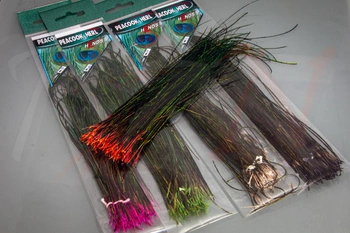
Hends Peacock Herl Promienie piór pawia

Hends Cock Capes Natural Light Brown v2
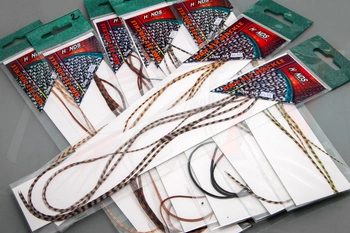
Hends Dry Fly hackle XS (18-22 hooks)

Hends Pheasant Tail

Hends Cock Capes Natural Light Brown

Hends Cock Capes Natural Brown

Feathers Hends CDC - selected 25 pieces

Feathers Hends CDC 08 Natural Brown 1G

Feathers Hends CDC 02 White 1G

Feathers Hends CDC 1G Natural Grey 01

Hends Marabou feathers - Dark Cinnamon M28

Hends Dry Fly hackle M (12-14 hooks)

Hends Dry Fly hackle S (16-20 hooks)
What Hends feathers are used for
Hends feathers are natural materials used for tying various types of flies, including dry flies, wet flies, nymphs and streamers. Depending on the length and structure of the fibres, they can be used for wings, tails, legs and other elements that imitate the movement of aquatic insects on or below the surface.
Properties and characteristics of Hends feathers
The feathers come in different lengths and fibre structures, which makes it easy to match the material to the hook size and the type of fly being tied. Soft feathers work well in wet flies and nymphs due to their natural movement in the water, while stiffer fibres are suitable for dry fly patterns where stability and defined shape are required.
Applications of Hends feathers in fly tying
Hends feathers can be used as the main material in hackles, wings or tails, as well as supporting elements in bodies and thoraxes. Their versatility allows them to be used both in small, precise dry flies and in larger streamers that require longer, more mobile fibres.
Complementary materials
Hends feathers pair best with well-matched fly hooks, ensuring correct proportions and proper movement of the fly in the water. Also see Hends fly hooks, which are suitable for dry flies, nymphs, wet flies and streamers.
A properly chosen hook and feather form the basis for building the hackle in dry flies, as well as wings and tails in streamer patterns.