Fly tying hooks
( number of products: 118 )Fly tying hooks are the foundation of every fishing fly, influencing its durability, presentation in the water and hook-up efficiency. Differences in hook shape, wire thickness, gape and eye type allow precise matching to nymphs, dry flies, wet flies, streamers and specialised fly patterns. Choosing the right hook is essential for both effective tying and reliable fishing performance.
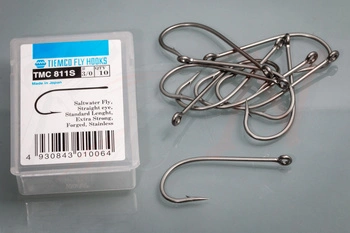
Tiemco TMC811S Saltwater Hooks
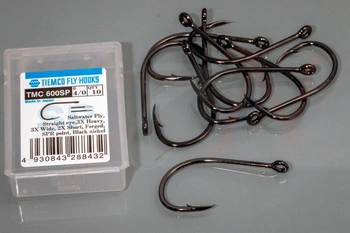
Tiemco TMC600SP Hooks
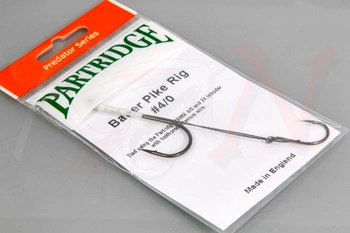
Bauer Pike Rig #4/0
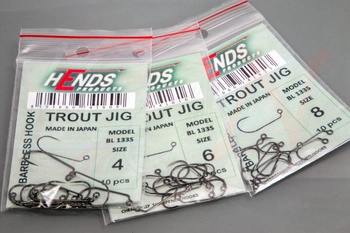
Hends Trout Area Barbless Jig Hooks
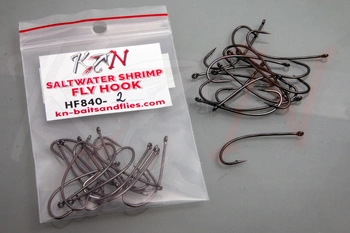
KN Fly Saltwater Shrimp Fly Hooks HF840

Hanak H 500 BL Allround

KN Fly Klinkhammer Fly Hooks HF190BL
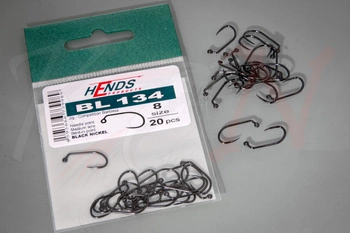
Fly Hooks Hends BL134 Jig 20pcs barbless

Hends 777BN Pike Streamer Fly Hooks 5/0

Hends BL 321 Streamer Nymph Fly Hooks

Hends BL404 25pcs Dry Fly Hooks

Fly Hooks Hends BL120 25pcs

Fly Hooks Hends BL200 25pcs

Fly Hooks Hends BL144 20pcs

Fly Hooks Hends BL164 25pcs

Fly Hooks Hends BL334 #8
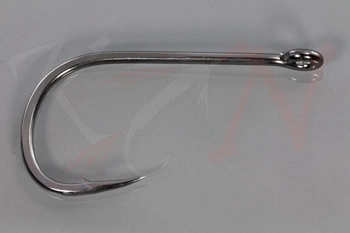
Fly Hooks Ahrex SA290 Beast Fleye
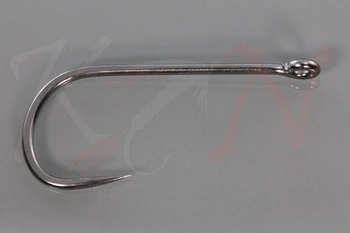
Fly Hooks Ahrex SA292 Beast Fleye Long

Fly Hooks Ahrex SA280 Minnow #2
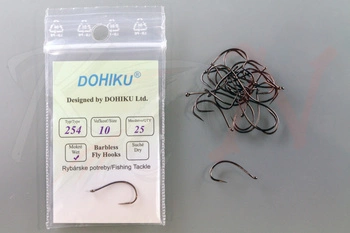
Dohiku Dohiku HDA 254 Pupa

Dohiku HDT Stinger streamers hooks

Dohiku HDC 303 Versatile Flies fly hooks

Dohiku HDN 302 SPR Racing fly hooks

Dohiku HDN 302 SP fly hooks

Dohiku HDN 302 Wet Flies fly hooks

Dohiku HDD 301 Dry flies fly hooks
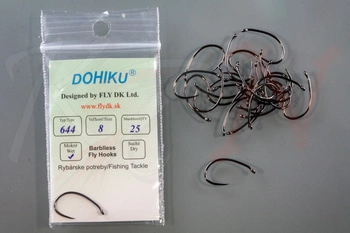
Dohiku HDG 644 Gammarus, Pupa fly hooks
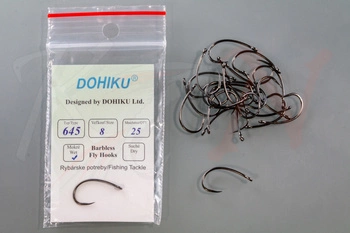
Dohiku HDG 645 Larva, pupa, shrimp fly hooks

Dohiku HDP Pupa Klinkhammer fly hooks

Dohiku HDG 611 Gammarus, Pupa fly hooks
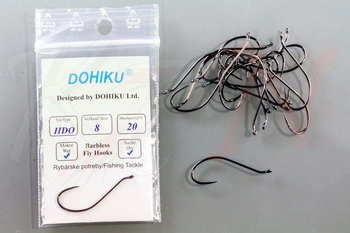
Dohiku HDO Blood Worm fly hooks
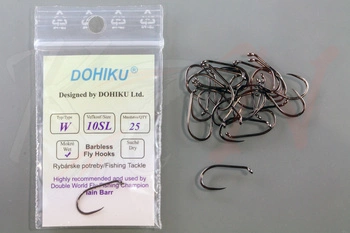
Dohiku HDW SL fly hooks
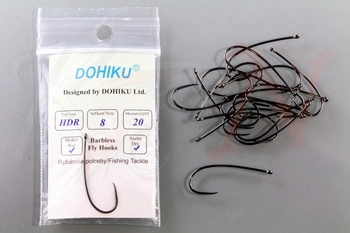
Dohiku HDR Terrestrial fly hooks

Dohiku HDB Blob fly hooks
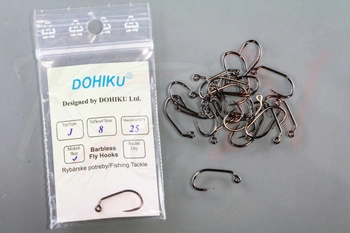
Dohiku HDJ Jig fly hooks

Dohiku HDS Streamer fly hooks
What are fly tying hooks?
Fly tying hooks are specialised fishing hooks designed specifically for tying fishing flies. Compared to standard fishing hooks, they feature different geometry, proportions and wire parameters, making it easier to achieve correct fly shape and size. A properly selected hook affects the fly profile, presentation in the water, hook-up efficiency and reliable fish control during the fight.
Types of fly tying hooks – classification and applications
Fly tying hooks are available in many designs adapted to specific techniques and fly patterns. They differ in shank length, gape width, wire thickness, eye type (straight, down-eye or up-eye) and the presence or absence of a barb. Choosing the right hook allows proper material placement, correct proportions and the intended action of the fly in the water.
In practice, hooks are selected according to the fly pattern: different models are used for dry and wet flies, nymphs, streamers and large predator flies for pike. Specialised solutions are also increasingly popular, such as jig hooks, which help present nymphs hook-point up and reduce snagging.
How to choose a fly tying hook for a pattern and fishing technique
Hook selection should start with defining the fly pattern and the fishing conditions in which it will be used. Dry flies are usually tied on light hooks with fine wire to maintain buoyancy. Nymphs often require stronger hooks or specific geometry that helps build a realistic larva profile. Streamers are typically tied on hooks with longer shanks and stronger wire, allowing the construction of larger profiles for bigger fish.
If you fish nymphs in current and want to keep the fly close to the bottom, fly tying jig hooks are an excellent choice. For classic nymphs and wet flies, traditional straight-shank hooks are commonly used. You can also explore the fly tying hooks for nymphs category if you are looking for models dedicated specifically to nymph patterns.
Technical properties of fly tying hooks
The technical parameters of a hook have a direct impact on fly durability and fishing effectiveness. Even small differences in geometry, wire thickness or eye design can significantly influence fly behaviour in the water and overall tying comfort.
- Wire thickness – affects fly weight, sink rate and hook strength. Fine wire supports dry fly buoyancy, while heavier wire increases durability.
- Gape width – plays a key role in hook-up efficiency, especially in streamers and large predator flies.
- Shank length – short shanks are ideal for compact patterns (e.g. many nymphs), standard lengths for dry and wet flies, and longer shanks for elongated streamer profiles.
- Eye type – straight, down-eye or up-eye influences fly alignment and rigging options.
- Barbed or barbless – important for fishery regulations, catch & release practices and safe, quick unhooking.
Fly tying hook applications – quick guide
- Nymphs: classic straight hooks, curved “scud” hooks and jig hooks; often with stronger wire to support beads and lead or lead-free wraps.
- Dry flies: lightweight hooks with fine wire for proper floatation and delicate presentation.
- Wet flies: hooks with universal geometry, standard shank length and slightly heavier wire.
- Streamers: strong hooks with longer shanks and wider gapes, suitable for bulky materials.
- Special applications: salmon, saltwater and pike hooks – forged, heavy-wire models designed for powerful fish.
FAQ – fly tying hooks
Which fly tying hooks should beginners choose?
Beginners should start with a few versatile models: nymph hooks in commonly used sizes 10–14, lightweight dry fly hooks in sizes 12–14, and one stronger hook type for simple streamers in size 6. This setup allows tying a wide range of patterns and gradually moving to more advanced designs.
How are fly tying hooks different from standard fishing hooks?
Fly tying hooks are designed specifically for fly construction. They feature dedicated proportions, geometry and wire parameters that make it easier to build correct fly shapes and achieve reliable hook-ups in fly fishing techniques.
Does hook wire thickness really matter?
Yes. Fine wire helps keep dry flies floating and provides delicate presentation, while heavier wire increases strength and improves sink rate for nymphs, wet flies and other subsurface patterns. The choice depends on technique, fly size and target species.
Are barbless fly tying hooks worth using?
Barbless hooks are increasingly popular on catch & release fisheries and where regulations require them. They allow faster, safer fish unhooking and reduce handling stress.
How do I choose the right hook size for a specific fly?
Hook size should match the imitated insect or baitfish and local fishing conditions. Following proven pattern proportions is a good starting point, then adjusting size based on water type, fish behaviour and activity level. When in doubt, testing two adjacent hook sizes is often the best solution.