Fly Tying Yarns & Flosses
( number of products: 54 )Yarns and flosses are thicker threads and wools for fly bodies, wings and tags. Floating polypropylene yarn suits dry flies and emergers, wool blends suit nymphs and wet flies, and flosses and fluo threads are used for bodies and tags.

KN Fly Combed Poly Yarn - Light Brown

KN Fly Combed Poly Yarn - Grey

KN Fly Combed Poly Yarn - Rusty Orange

KN Fly Combed Poly Yarn - Light Grey

KN Fly Combed Poly Yarn - Light Olive

KN Fly Combed Poly Yarn - White Cream

Troutline Mojo Nymph Yarn 300DEN

Troutline Catgut Biothread Natural size M 0.5mm

Troutline Catgut Biothread Natural size S 0.3mm

Dohiku Catgut Natural - Medium
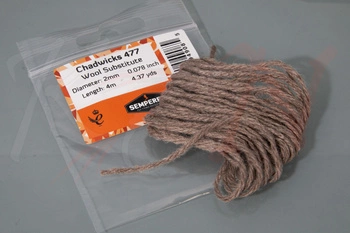
Semperfli Chadwicks 477 Wool Substitute
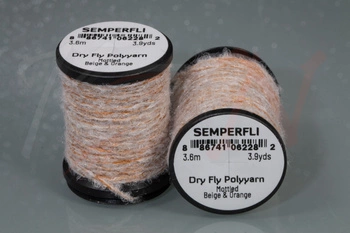
Semperfli Dry Fly Polyyarn 3.6m 3.9yds Mottled Beige & Orange
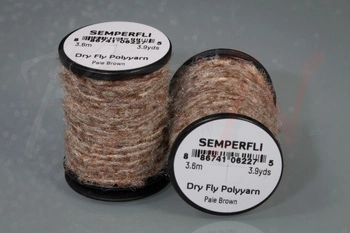
Semperfli Dry Fly Polyyarn 3.6m 3.9yds Pale Brown

Semperfli Dry Fly Polyyarn 3.6m 3.9yds Cream

Semperfli Dry Fly Polyyarn 3.6m 3.9yds Caddis Amber

Semperfli Dry Fly Polyyarn 3.6m 3.9yds Polar Bear

Semperfli Dry Fly Polyyarn 3.6m 3.9yds Mottled Black & Golden Olive

Hends Body Thread

Hends Neon Thread UV

Dohiku Catgut Natural - Small

Hends Tag Threads

Veevus Floss

Semperfli Dirty Bug Yarn Shrimp

Semperfli Dirty Bug Yarn Salmon

Semperfli Dirty Bug Yarn Rhyacophila

Semperfli Dirty Bug Yarn Pale Olive
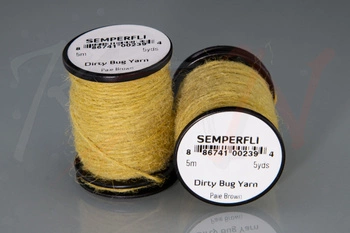
Semperfli Dirty Bug Yarn Pale Brown

Semperfli Dirty Bug Yarn Olive Caddis
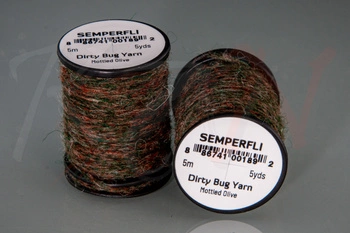
Semperfli Dirty Bug Yarn Mottled Olive

Semperfli Dirty Bug Yarn Mottled Dark Green

Semperfli Dirty Bug Yarn Mottled Golden Olive
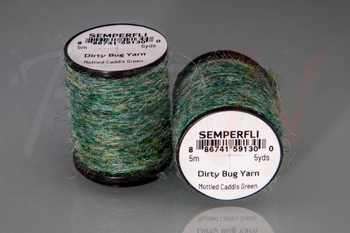
Semperfli Dirty Bug Yarn Mottled Caddis Green
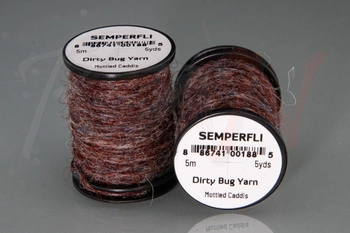
Semperfli Dirty Bug Yarn Mottled Caddis

Semperfli Dirty Bug Yarn Litchen

Semperfli Dirty Bug Yarn Golden Olive
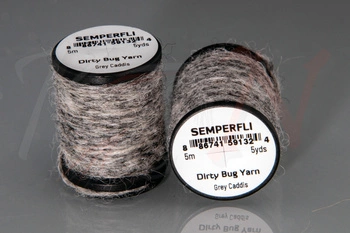
Semperfli Dirty Bug Yarn Grey Caddis
- 1
- 2
What are fly tying yarns and flosses used for?
Yarns and flosses are wrapped around the hook shank or tied in as a short tail. They make bodies, wings (including parachute posts), tags and hot spots. Yarn is mostly used for wings and wing cases, but also for bodies. Floss gives a smooth body with a slight sheen – a good choice for wet flies and salmon flies.
Types of yarns and flosses
- Polypropylene yarn – lighter than water, and its fibres trap air. Use it for wings and bodies of dry flies, for wing cases and wings of emergers such as the Klinkhamer, and for hoppers and beetles. It is more durable than natural materials.
- Body yarns for nymphs and wet flies – blends of natural and synthetic fibres, e.g. wool and polyester. They give a translucent, slightly buggy body on nymphs, wet flies and caddis patterns.
- Floss – synthetic silk for smooth bodies on classic salmon and trout flies.
- Thick tag threads – for tags and short tails on nymphs, wet flies and small streamers.
How to choose yarn for your fly
First decide whether the fly should float or sink. For dry flies and emergers, choose polypropylene yarn. Wool blends absorb water and sink, so they suit nymphs and wet flies.
Choose the wing colour for visibility. White or fluo orange is easy to see from a distance, while grey and dun give a natural mayfly look. If you want a thicker body with fibres sticking out, use dubbing instead of yarn.
Tying with floss and yarn
Floss is made of many fine fibres, so it is easiest to wrap from a bobbin holder with a ceramic tube – or simply cut a length and wrap it by hand. Before wrapping floss, build an even underbody with tying thread, because every bump will show on a smooth body. A rib of fine wire makes a floss body more durable.
On a parachute fly, tie the yarn wing on the shank, lift it upright and wrap a few turns of thread around its base. This stiffens the post, so it holds the hackle wound around it. Trim the wing to length at the end.
Frequently asked questions
What is the difference between floss and tying thread?
Tying thread is thin and strong and holds materials on the hook. Floss is thicker, lies flat and forms the body or tag itself.
How long should a tag be?
A few turns at the hook bend are enough – just a few millimetres. A short, bright fluo tag often triggers takes from trout and grayling.
Do flies with polypropylene yarn need floatant?
It is not necessary, but dry fly floatant helps, and it is worth using when the fly starts to sink after a few fish.